What are Some Signs Your Chimney Needs Cleaning?
As local homeowners prepare for cold regional winters across New York State and Connecticut, getting the fireplace ready becomes a top priority. A fireplace or wood stove brings incredible warmth and comfort to a home, but it relies on a clear, functional chimney flue behind the scenes. Over months of seasonal use, soot, creosote, and outdoor debris collect inside the liner, creating hidden risks that jeopardize your home's safety.
Your chimney system will usually give clear signals when residue reaches dangerous levels. Recognizing these warning signs early helps protect your family from severe fire hazards, structural deterioration, and toxic smoke backdrafts.
Here are the primary physical indicators, functional performance red flags, and biological warning signs that tell you it is time to call a certified technician for a chimney sweep.
Physical Indicators and Visual Evidence
Your chimney often gives visible warnings when residue builds up inside the flue. Knowing what to look for inside the firebox can prevent a routine maintenance issue from turning into a home emergency.
Creosote Accumulation vs. Soot
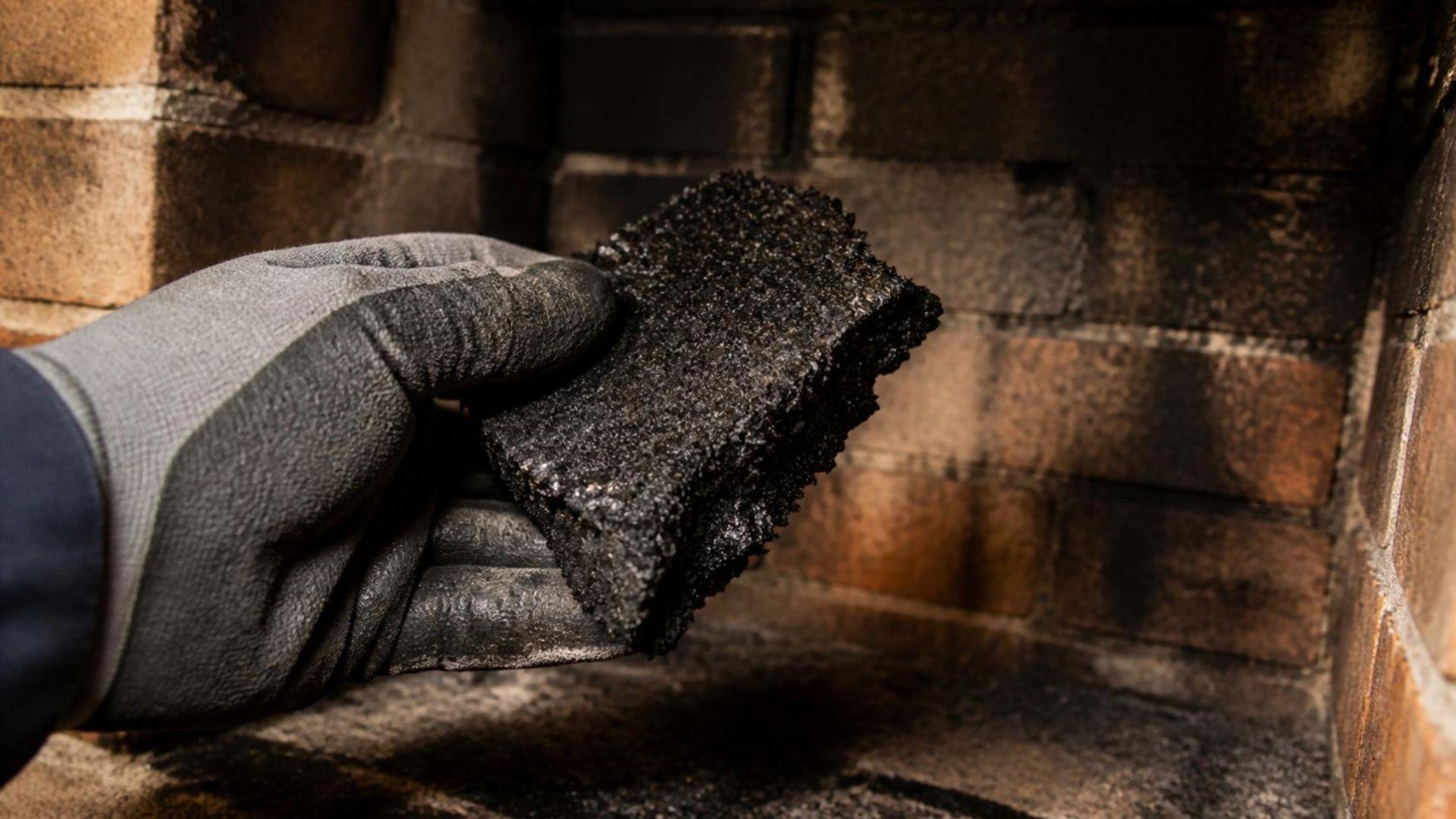
Creosote is a highly flammable byproduct of burning wood that clings to the interior flue liner. Understanding the distinction between soot and creosote helps determine what level of cleaning your chimney requires:
- Soot: A fine, powdery, ash-like carbon substance created during combustion that floats up the flue and settles on surfaces.
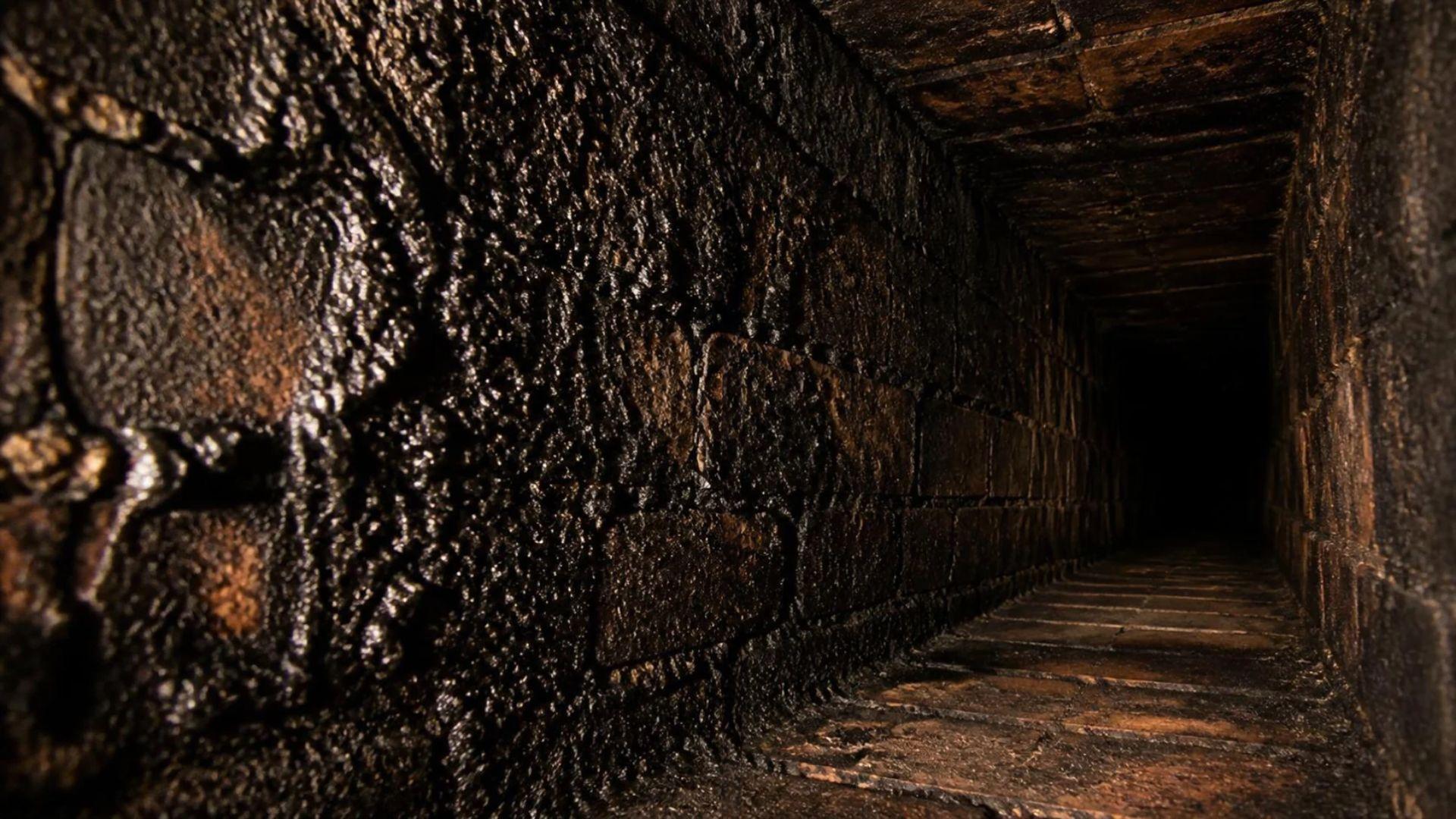
- Creosote: Formed when unburned wood gases condense on cooler chimney walls. It begins as a dark, flaky deposit and hardens over time into an oily, sticky, or shiny, tar-like glaze.
While light soot can easily be brushed away, hardened creosote clings to masonry and serves as the primary fuel source for destructive chimney fires.
Damper and Firebox Condition
Before lighting a fire, inspect the firebox and damper assembly. If the metal damper plate has turned black, feels greasy to the touch, or shows oily, dark marks on the surrounding firebox walls, creosote has accumulated to excess. When creosote burns, it releases heavy oil residues that coat internal metallic components, making dampers stiff or completely stuck.
Soot Spillage
If you notice black chunks of material, hardened flakes, or a rain of soot falling into the firebox or onto the hearth, your liner is severely overloaded with buildup. Dislodged by rain, wind, or expanding heat, these falling chunks signal that the flue passage is narrowing.
The 1/8-Inch Rule
Industry standard guidelines establish that if creosote or soot buildup reaches 1/8 of an inch thick anywhere inside the flue, the chimney must be swept immediately. At a thickness of 1/8 inch or greater, the substance transforms from routine maintenance into a critical fire hazard.
Performance and Functional Red Flags
When an accumulation of soot or an obstruction restricts your flue, your fireplace performance drops rapidly.
Smoke Back-Puffing: Smoke and combustion gases should naturally vent upward and out of your home. If smoke billows out of the firebox and enters your living room, a condition known as back-puffing, your chimney flue is experiencing a severe draft restriction.
Difficulty Starting or Maintaining Fires: A healthy fire requires fuel, heat, and oxygen. A dirty, restricted flue starves the firebox of airflow. If you find it unusually difficult to light a fire, or if established fires die out quickly despite using dry hardwood, a blocked flue is likely restricting oxygen intake.
Drafting Issues and the Stack Effect: Chimneys operate on thermal buoyancy, commonly known as the stack effect. Hot combustion air rises up the flue, creating a vacuum that pulls fresh air into the firebox. When thick layers of creosote, fallen bird nests, or leaves restrict the flue diameter, the stack effect fails, causing weak flames, low heat output, and lingering smoke smells.
Biological and Environmental Factors
External factors such as local wildlife, weather exposure, and wood choice heavily influence how quickly a chimney clogs.
Animal Intrusion
Unprotected chimneys attract small wildlife seeking warm, sheltered nesting spots. Raccoons, squirrels, bats, and birds frequently invade open flues. Chimney Swifts are federally protected migratory birds that build small stick nests along flue walls. If you hear scratching, clawing, rustling, or chirping sounds coming from behind the damper, an animal has likely nested inside, creating a dangerous flue blockage.
Foul Odors
Accumulated creosote creates a heavy, pungent, campfire-like odor that intensifies during humid summer weather or rainstorms when moisture mixes with carbon deposits. Additionally, decaying animal remains, rotting leaves, or mold growth from water leaks cause sour, musty smells to spread into your living space.
External Wall vs. Internal Wall Chimneys
Where your chimney is built on your home dictates how fast creosote forms:
- Exterior Wall Chimneys: Chimneys constructed on an outside wall are constantly exposed to freezing winter temperatures. The extreme temperature differential between hot combustion gas and freezing exterior masonry causes smoke to condense rapidly, accelerating creosote buildup.
- Interior Wall Chimneys: Encased inside the home structure, interior chimneys stay warmer, allowing gases to exit before condensing into heavy creosote.
Fuel Quality
Burning unseasoned green wood or softwoods high in resin, such as pine, causes low-temperature fires and incomplete combustion. This produces thick smoke that coats the flue in sticky creosote far faster than burning well-seasoned hardwoods like oak or maple.
The Safety Risks and Consequences of Neglecting to Clean Your Chimney
Ignoring the warning signs of a dirty chimney exposes your home and family to severe hazards.
- Chimney Fires: Creosote fires can reach temperatures exceeding 2,000 degrees Fahrenheit. While some fires produce roaring freight-train sounds and dense smoke, many are silent and go unnoticed. Signs of a past silent fire include warped metal dampers, cracked terra-cotta flue tiles, melted rain caps, or puffy, expanded creosote that resembles charred marshmallow.
- Carbon Monoxide Poisoning: Carbon monoxide is an invisible, odorless, and tasteless gas. When soot buildup, animal debris, or collapsed tile liners block the flue, dangerous combustion gases spill backward into your living quarters instead of venting outdoors.
- Structural Damage: Extreme heat from creosote ignition combined with acidic moisture degrades the chimney over time. This neglect leads to cracked flue liners, deteriorated smoke chambers, crumbling mortar joints, and damaged chimney crowns that require extensive masonry reconstruction.
Professional Standards and Maintenance
Ensuring your fireplace remains safe requires adherence to established safety codes and professional maintenance practices.
NFPA 211 Standards
The National Fire Protection Association (NFPA) Standard 211 specifies that chimneys, fireplaces, and vents must be inspected at least once per year for soundness, freedom from deposits, and proper clearances. Cleaning should be performed whenever an inspection reveals significant creosote or soot deposits.
Professional Inspection Levels
Certified technicians utilize two primary inspection tiers for routine maintenance:
- Level 1 Inspection: A visual check of all readily accessible interior and exterior parts of the chimney structure and flue system. It is suitable for well-maintained systems where conditions and fuel sources have not changed.
- Level 2 Inspection: A comprehensive evaluation that includes everything in Level 1, plus access to attics, crawlspaces, and roofs. It incorporates a video camera scan run through the entire length of the flue to detect hidden cracks, missing mortar joints, or concealed creosote buildup. Level 2 checks are mandatory during real estate transfers, after chimney fires, or following severe weather.
Professional Sweeping vs. DIY Attempts
While a homeowner might clear ash from the hearth, thorough chimney sweeping requires specialized equipment. Professional sweeps use high-powered HEPA-filter vacuums to capture microscopic soot particles, so dust does not contaminate your home.
When heavy, third-stage glazed creosote forms, mechanical brushing alone cannot remove it. Certified technicians apply chemical treatments such as Poultice Creosote Remover (PCR), which absorb and break down glazed tar so it can be safely cleared from the flue walls.
Schedule Your Chimney Sweep with Mr. Chimney
If you have noticed soot falling onto your hearth, strange campfire odors, or smoke backing into your room, do not wait for a minor issue to become a major hazard. Since 1969, Mr. Chimney has provided trusted, certified chimney sweeping, inspections, and repairs for homeowners across Westchester County, Putnam County, Ulster County, and Fairfield County, CT.
Call 1-800-834-3155 today or send us a message to schedule your professional chimney inspection and cleaning.
Frequently Asked Questions (FAQs)
How can I tell if my chimney needs to be cleaned immediately?
You should schedule a professional cleaning immediately if creosote buildup reaches 1/8 of an inch thick inside the flue, if you notice black soot flakes or "soot rain" falling onto the hearth, or if smoke backs up into your living room while burning a fire.
Why does my fireplace smell like a campfire during the summer?
Campfire or sour, musty odors during hot or humid summer months are caused by moisture mixing with creosote deposits inside the flue. A professional mid-year or summer chimney sweep will eliminate these odors and clear lingering residue.
What sounds indicate an animal is trapped in my chimney?
Scratching, rustling, clawing, or loud chirping noises coming from behind the damper usually indicate that birds (such as Chimney Swifts), raccoons, squirrels, or bats have entered the flue and built nests that block ventilation.
What is the difference between chimney soot and creosote?
Soot is a fine, powdery carbon ash that easily brushes off surfaces. Creosote is a highly flammable, sticky, or tar-like byproduct formed when unburned wood gases condense on cooler flue walls, presenting a serious chimney fire hazard.
How often should I have my chimney inspected and cleaned?
According to NFPA 211 safety standards, chimneys, fireplaces, and vents should be professionally inspected at least once a year, with sweeping performed whenever inspections show creosote buildup.
Ready to schedule your chimney service? Call 1-800-834-3155 or contact us today.