What are the Benefits of a Professional Chimney Cleaning?
As chilly seasonal weather sets in across Westchester County, Upstate New York, and Connecticut, local homeowners turn to their fireplaces and wood stoves for warmth and comfort. However, many homeowners do not realize that every cozy fire leaves behind hidden residue inside the flue. Hiring a qualified professional to inspect and sweep your chimney goes far beyond simple cosmetic maintenance; it is an essential investment in your family's safety, health, and property value.
Here is a detailed breakdown of the primary benefits of scheduling a professional chimney cleaning.
Professional Cleaning Reduces Hazards
The primary responsibility of a chimney is to safely channel toxic exhaust and intense heat out of your home. When routine maintenance is neglected, the venting system quickly becomes a severe hazard.
The Danger of Creosote
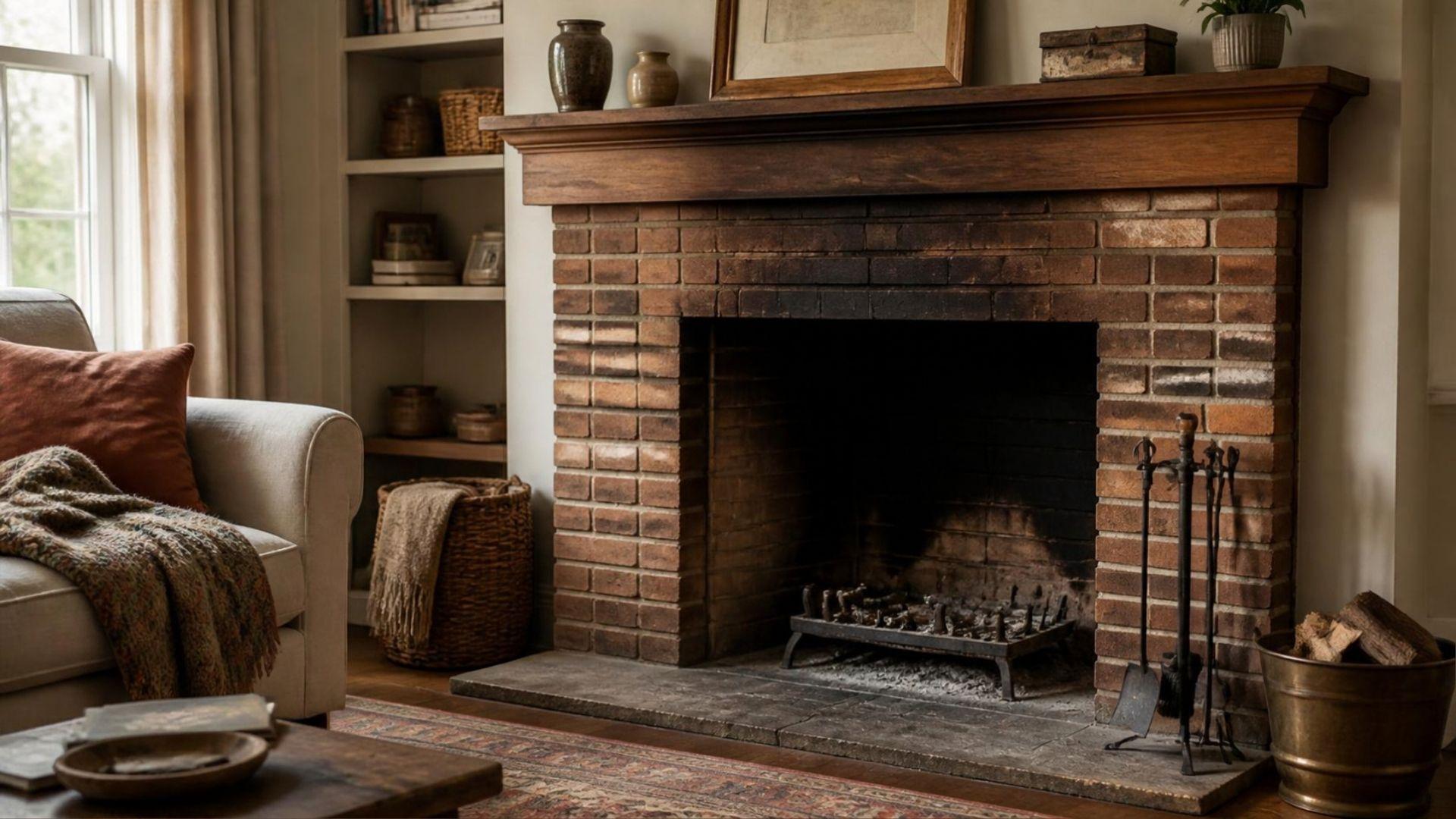
As wood burns, unburned combustion gases cool as they travel up the flue, condensing into a dark, tar-like substance known as creosote. Creosote is highly flammable. When allowed to build up, extreme flue heat or a stray ember can ignite this residue, sparking a destructive chimney fire that can rapidly spread to surrounding house framing.
Periodic cleanings remove this fuel source before it becomes dangerous.
Carbon Monoxide Exposure
Carbon monoxide (CO) is an odorless, colorless, and tasteless gas produced by fuel-burning appliances. When soot, crumbling masonry, or animal debris blocks your flue, these toxic fumes cannot escape. Instead, they back up directly into your living space.
The Chimney Safety Institute of America (CSIA) reports that carbon monoxide exposure leads to over 200 deaths each year, a tragic statistic that routine cleanings directly prevent.
National Fire Statistics
According to data from the National Fire Protection Association (NFPA), more than 70,000 house fires occur annually in the United States, causing over $1.3 billion in property damage. Crucially, the NFPA reports that chimney fires are responsible for approximately 30 percent of all residential heating fires, making regular sweeping a vital line of defense.
A Clean Chimney Improves Health and Indoor Air Quality
A dirty chimney does not just pose a fire risk; it directly impacts the quality of the air your family breathes indoors.
- Particulate Pollutants: Combustion generates ash, soot, and fine particulate matter. When a flue is restricted or dirty, these invisible particles spill backward into your living area rather than drawing upward. Inhaling soot particles can trigger severe respiratory issues, particularly for young children, the elderly, and individuals living with asthma or allergies.
- Mold and Allergens: Unmaintained chimneys often suffer from leaky caps or damaged crowns, allowing rain and moisture to seep inside. Dark, damp flues filled with porous soot create the ideal environment for mold and mildew. As air circulates through the fireplace, mold spores enter your living space and compromise indoor air quality.
- Animal and Pest Intrusion: Unprotected flues are attractive nesting sites for birds (such as Chimney Swifts), raccoons, squirrels, and insects. These pests build nests that choke off ventilation, introduce disease-carrying parasites, and often perish inside the system, creating foul, pervasive odors that infiltrate your home.
A Clean Chimney Means an Efficient Fireplace
A clean venting system operates more effectively, saving you money on fuel while keeping your living space warmer.
Airflow and Draft
Fireplaces rely on thermal buoyancy, often called the draw or stack effect, to pull combustion air into the hearth and push smoke up the flue. Heavy creosote deposits narrow the flue liner, restricting airflow. A professionally cleaned chimney restores proper draft, allowing your fires to burn hotter, cleaner, and more completely.
Fuel Consumption
When cooler air trapped by flue obstructions circulates back down into the hearth, your fireplace's overall heating efficiency plummets. To achieve the same heat output, you end up burning significantly more wood or fossil fuel. A clean flue keeps warm air inside your living space and lowers your overall fuel consumption.
Obstruction Removal
During a professional service visit, technicians ensure that key mechanical components, specifically the damper assembly and the smoke shelf located behind it, are cleared of accumulated ash, soot, and fallen debris so that ventilation controls open and close smoothly.
It Preserves Structural Integrity and Protects Your Property
Your chimney is a complex masonry or metal structure that requires proactive care to prevent costly structural failures.
Prevent Costly Repairs: Wood-burning fires routinely reach temperatures of 1,100 degrees Fahrenheit or higher. Over time, intense heat, soot, and debris cause wear and tear on the flue liner, firebox bricks, and mortar joints. Professional sweeps evaluate these parts during a cleaning, identifying minor masonry cracks or liner deterioration before they escalate into massive structural failures or require full chimney rebuilding.
Acidic Corrosion: Soot and creosote are not merely messy; they are chemically acidic. When left sitting inside the flue over long periods, especially when mixed with seasonal humidity, these deposits slowly eat away at ceramic flue tiles, metal liners, and mortar joints, causing premature corrosion.
Long-Term System Longevity: Routine removal of grime and acidic contaminants reduces daily wear and tear on your chimney's internal components, significantly extending the lifespan of your entire heating system.
Professional Expertise vs. DIY Risks
While taking a do-it-yourself approach to home maintenance is admirable, sweeping a chimney without professional training carries significant financial, structural, and physical risks.
- Specialized Equipment: Proper cleaning requires far more than a standard hardware store brush. Certified professionals utilize industrial-grade HEPA vacuums that capture microscopic soot particles without blowing dust back into your living room. Technicians also use specialized rotary power-sweeping tools, heavy-bristled scrapers, and high-definition internal video cameras to inspect the flue from top to bottom.
- Risk of Physical Injury: Cleaning a chimney improperly exposes homeowners to severe hazards, including falling off steep roofs or slipping from tall ladders. Furthermore, sweeping without proper respiratory gear leads to the direct inhalation of toxic dust, creosote particles, and ash.
- Industry Certifications: Professional sweeps undergo rigorous education and testing to earn credentials from nationally recognized organizations like the Chimney Safety Institute of America (CSIA) or National Fire Protection Association (NFPA). Certified technicians are trained to identify subtle safety clearance violations, liner breaches, and structural faults that an untrained homeowner would easily miss.
Logistics: Frequency, Cost, and Process
Understanding what to expect during a service visit helps you schedule maintenance with complete confidence.
Recommended Frequency
Industry standards dictate that wood-burning chimneys should be inspected and cleaned at least once per year (or more frequently if you burn multiple cords of wood each winter). Gas fireplaces and pellet stoves produce less soot but still require professional evaluation every 1 to 2 years to check for ventilation blockages, wildlife nests, and mechanical wear.
Warning Signs You Are Overdue
Do not wait for your annual appointment if you notice red flags. Schedule an immediate service call if you experience smoke filling the room, strong campfire or musty odors coming from the hearth, visible black tar on the firebox walls, or difficulty getting a fire to catch and stay lit.
Pricing Benchmarks and the Service Visit
For a standard professional chimney sweeping and basic inspection, homeowners in our regional area can typically expect to spend between $150 and $350. Prices vary depending on the chimney height, the type of fuel used, and the severity of creosote buildup. Investing in regular maintenance far outweighs the thousands of dollars required for emergency structural repairs or post-fire restoration.
A standard professional visit is clean, quiet, and efficient, typically taking between 45 minutes to an hour. Upon arrival, the technician lays down protective drop cloths around your hearth to safeguard your floors and furniture. Using heavy-duty brushes and HEPA vacuums, they scrape the flue liner, clean the smoke chamber, smoke shelf, and firebox, and safely clear out all debris. Finally, you receive a detailed inspection report outlining the condition of your chimney along with any recommendations to keep your home warm and safe.
Schedule Your Chimney Cleaning with Mr. Chimney
Whether you operate a wood-burning fireplace, a gas insert, or a utility heating flue, professional cleaning protects your family and keeps your system running smoothly. Since 1969, Mr. Chimney has provided certified, comprehensive inspections, sweeping, and repair services for homeowners across Westchester County, Putnam County, Ulster County, and Fairfield County, CT.
Call 1-800-834-3155 today or send us a message to schedule your professional chimney cleaning.
Frequently Asked Questions (FAQs)
How much does a professional chimney cleaning cost in Westchester and Putnam County?
A standard residential chimney sweeping and visual inspection typically costs between $150 and $350. Pricing varies based on the height of the chimney, fuel type, and whether heavy or glazed creosote is present.
How often should I have my chimney cleaned?
National fire safety standards recommend having your chimney inspected annually and swept whenever creosote buildup reaches 1/8 of an inch thick. Wood-burning systems typically require cleaning once a year, while gas units should be inspected every 1 to 2 years.
Can a dirty chimney cause carbon monoxide to enter my home?
Yes. Blockages caused by soot buildup, animal nests, or crumbling masonry prevent toxic combustion gases from venting outdoors, forcing odorless carbon monoxide back into your living space.
What is the difference between creosote and soot?
Soot is a soft, powdery carbon ash that brushes away easily. Creosote is a highly flammable, sticky or shiny tar-like substance created when wood smoke condenses on cool flue walls, presenting the primary fuel source for dangerous chimney fires.
Will chimney cleaning make a mess inside my house?
No. Professional certified sweeps protect your home by placing drop cloths around the hearth and utilizing industrial-grade HEPA vacuums to capture microscopic soot dust during the cleaning process.
Ready to schedule your chimney service? Call 1-800-834-3155 or contact us today.