How Much Does a Chimney Inspection Cost?
The fireplace season is wrapping up, and while you are done burning wood for the winter, your chimney system still needs attention. If you are wondering what a chimney inspection will cost you in Westchester County, Putnam County, or across the state line in Fairfield County, CT, the answer usually comes down to what kind of checkup your flue needs.
On average, a standard professional chimney inspection costs between $100 and $450. A basic visual check sits on the lower end of that scale, while camera scans and comprehensive real estate evaluations sit higher.
Whether you operate a traditional wood-burning fireplace, a wood stove, a pellet stove, or a gas unit, maintaining a clear venting system is vital for household safety.
How the Chimney Inspection Process Works
A professional chimney inspection is a comprehensive, code-based evaluation of your home’s entire venting system. Rather than a superficial look inside the hearth, a thorough evaluation assesses the flue, firebox, chimney structure, exterior masonry, and venting components.
Tools of the Trade
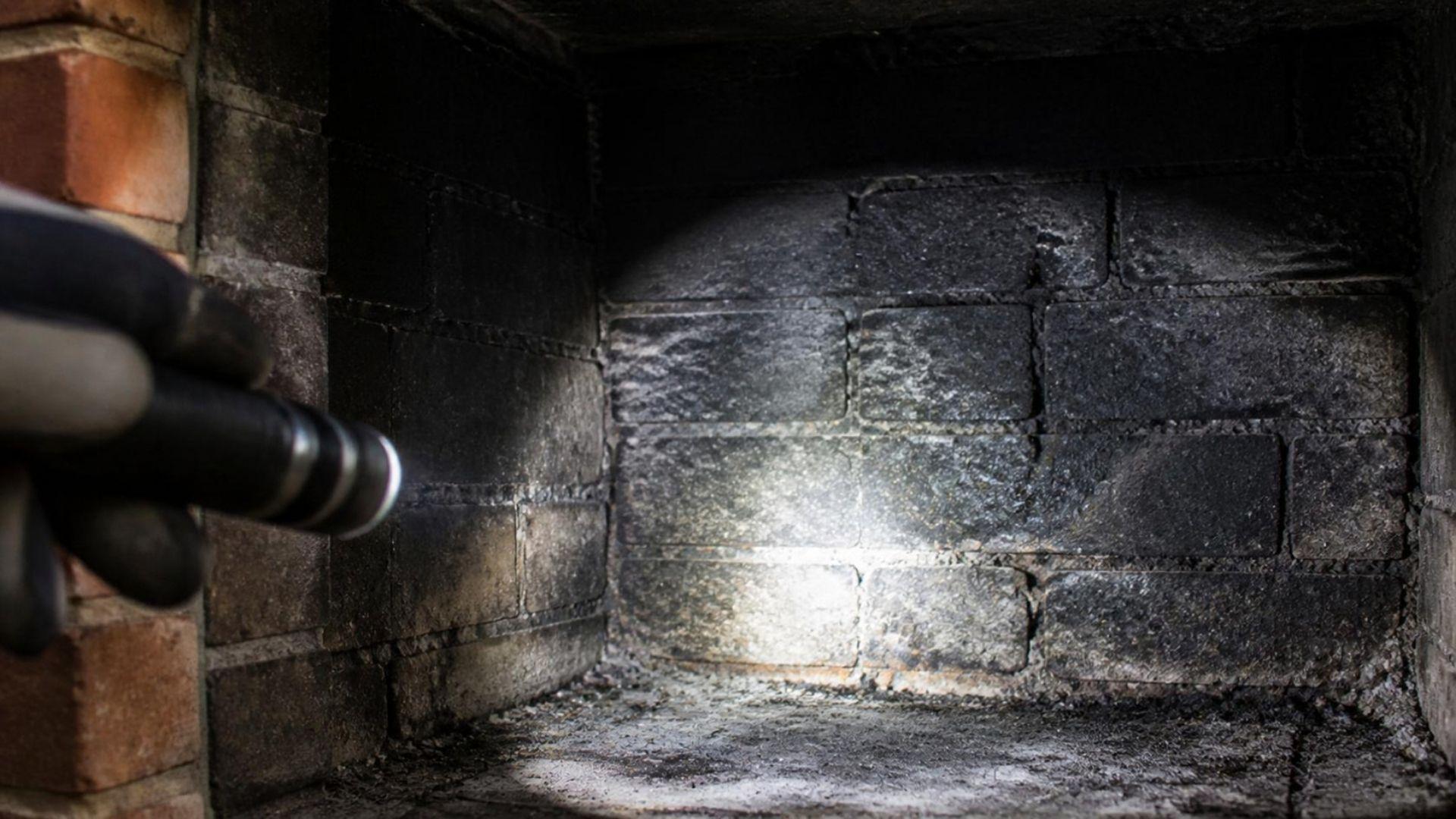
Professional technicians rely on specialized equipment to evaluate areas hidden from plain sight. Standard inspection tools include high-powered inspection flashlights to illuminate dark, soot-covered flues and fireboxes, internal video scanning cameras guided up or down the interior flue lining to capture high-definition footage of hidden cracks or creosote buildup, and tall ladders, safety harnesses, and crawling gear used to safely access roofs, attics, basements, or crawl spaces.
Standard Components Evaluated
During an assessment, an inspector examines essential system parts:
- Chimney Cap & Crown: Ensuring the top cap is intact to keep out rainwater, animal nests, and debris, while checking the concrete or masonry crown for cracks.
- Flue & Liner: Inspecting tile, clay, or metal liners for shifting tiles, gaps, cracks, or hazardous buildup where combustion gases pass through.
- Damper: Verifying that the mechanical damper opens, closes, and seals properly to manage draft and prevent smoke backdrafts.
- Smoke Chamber & Masonry: Looking for joint gaps, structural cracking, crumbling brick, or deteriorated mortar that requires tuckpointing.
The Three Levels of Inspection
Chimney professionals adhere to the standardized three-tier evaluation system defined by National Fire Protection Association (NFPA) standards. Each level covers progressively more ground based on your chimney’s usage history and current condition.
Level 1 (Routine Chimney Inspection)
Scope: A basic visual check of all readily accessible interior and exterior portions of the chimney and fireplace without special tools or opening concealed areas. It often takes 45 to 60 minutes and is commonly combined with a routine cleaning.
Best Used For: Well-maintained chimneys that are in regular use and have not undergone any operational or appliance changes over the past year.
Level 2 (Real Estate & Triggering Events)
Scope: Includes everything in a Level 1 evaluation plus an internal video camera scan of the flue lining. The inspector also accesses available attics, basements, crawl spaces, and roofs to examine adjacent structures. It typically takes 1 to 2 hours.
Best Used For: Mandatory during home sales or real estate property transfers, after severe weather events (major storms, earthquakes), following a suspected chimney fire, or when changing fuel types (such as converting from wood to gas) or replacing connected heating appliances.
Level 3 (Invasive)
Scope: The most thorough and complex evaluation. Reserved for cases where Level 1 or Level 2 checks reveal major hazards or structural defects that cannot be fully evaluated without accessing concealed spaces. This process involves invasive measures, such as removing sections of drywall, siding, brickwork, or chimney crowns.
Best Used For: Investigating severe, hidden structural damage, severe wildlife intrusion, reports of carbon monoxide leaks, or post-chimney fire evaluations where structural failure is suspected.
Average Costs and Drivers
Understanding typical price ranges helps you budget for annual maintenance without surprises:
- Level 1 Inspection ($100 to $300): Visual check of accessible parts, single flue, routine upkeep.
- Level 2 Inspection ($250 to $1,000): Video camera flue scan, roof, attic, and crawl space access.
- Level 3 Inspection ($500 to $5,000+): Invasive exploration, structural disassembly, major hazard checks.
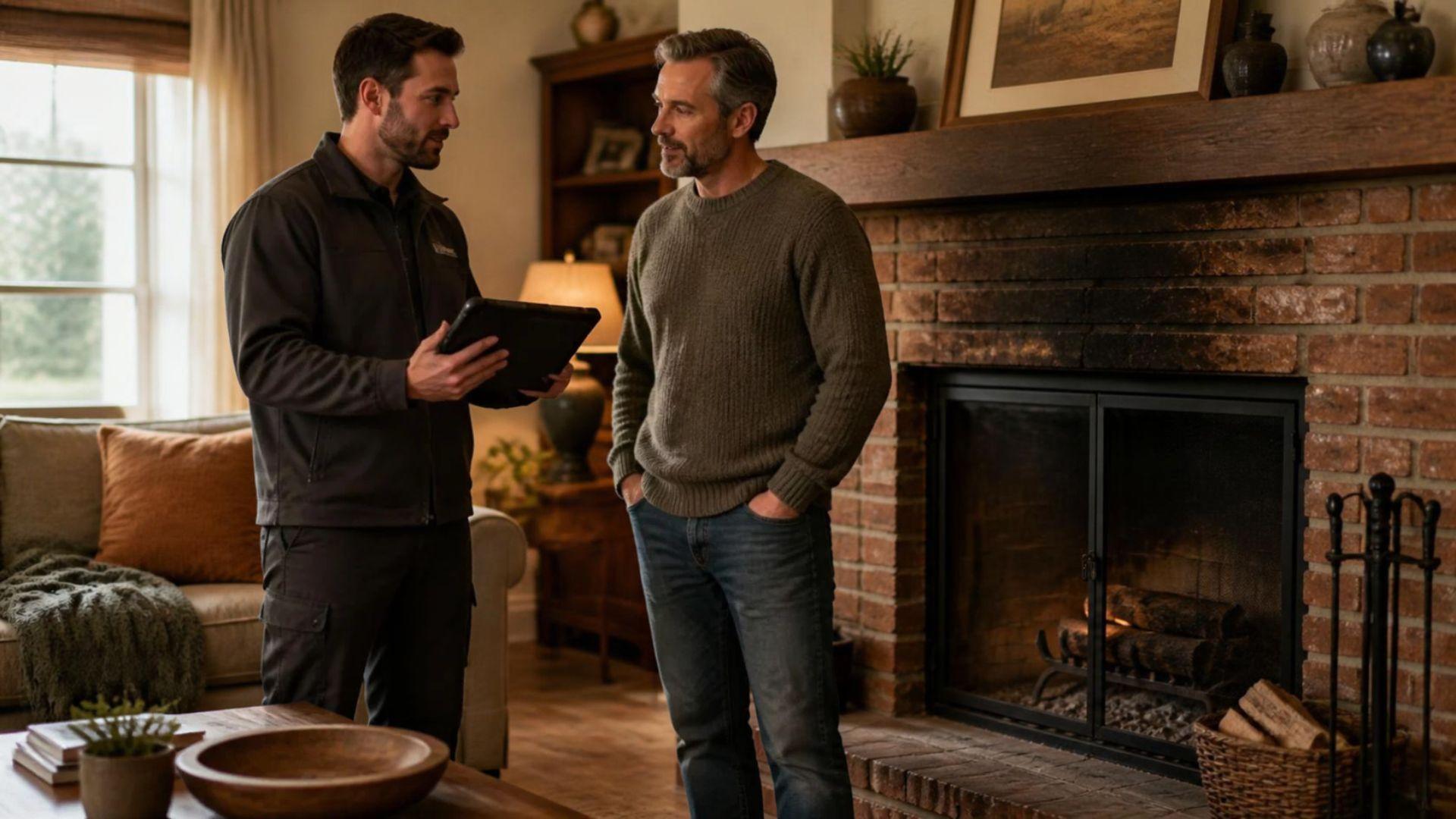
Most homeowners spend an average of $360 to $450 for standard professional service, which often includes a Level 1 or Level 2 evaluation bundled with a basic chimney sweep.
Key Pricing Drivers
- Number of Flues: Chimneys serving multiple heat sources (such as a fireplace alongside a basement oil or gas furnace) have separate flues that must be inspected individually, increasing labor time.
- Chimney Height & Roof Pitch: Taller multi-story chimneys or steep, high-sloped roofs require larger ladders, safety rigging, and extra setup time, pushing rates toward the upper end of price ranges.
- Geographic Location: Inspection fees reflect regional labor costs in suburban NY markets (such as White Plains, Scarsdale, Mamaroneck, or Rye) compared to rural areas.
- Advanced Technology: Deploying remote video camera equipment adds dedicated tool and software expense to Level 2 reports.
- Emergency & After-Hours Fees: Requesting urgent post-fire checks or immediate winter evaluations carries higher premium labor rates.
When to Get Your Chimney Inspected (and How Often)
National fire safety organizations and certified technicians recommend inspecting your chimney, fireplace, and vents at least once per year (or 1 to 2 times annually for heavily used wood-burning systems). Annual checkups catch minor wear before it becomes a major fire hazard.
Do not wait for your annual date if any specific triggers occur:
- Following extreme weather conditions such as strong windstorms, earthquakes, or lightning.
- Immediately after a suspected chimney fire.
- When changing fuel sources (e.g., wood to gas) or installing new heating equipment.
- During real estate transactions or home purchases.
Booking your inspection during the spring or summer months helps you avoid peak winter rush pricing, avoids long contractor lead times, and ensures any needed repairs are completed long before the first cold snap.
The Risks of Avoiding Routine Chimney Maintenance
Skipping regular chimney maintenance introduces severe health and safety hazards:
- Creosote Buildup: A tar-like, highly flammable byproduct of wood combustion that clings to flue walls and can easily ignite, causing destructive chimney fires.
- Carbon Monoxide Leaks: Blockages from soot, crumbling brick, or animal nests prevent harmful combustion gases from venting outside, spilling odorless, lethal carbon monoxide into living quarters.
- Structural Deterioration: Unaddressed moisture leaks cause mortar joints to crumble and flue tiles to crack, threatening the stability of the chimney stack.
When an evaluation uncovers defects, separate repair costs may apply, including tuckpointing, flue liner replacement, chimney cap installation, masonry sealing, and major masonry rebuilds.
While wood-burning fireplaces generate heavier creosote, gas fireplaces still require mandatory annual inspections. Gas unit checks evaluate proper draft, flue ventilation, glass/door seals, ignition components, and combustion safety to guard against subtle, dangerous gas leaks or carbon monoxide buildup.
The Dangers of a DIY Inspection
While a homeowner can perform basic visual checks, such as peeking up the firebox or looking for obvious exterior brick damage, a casual glance cannot replace a code-compliant inspection report. DIY attempts carry distinct drawbacks, including an inability to spot early creosote buildup or minor liner fractures, lack of specialized internal camera equipment, fall hazards on steep roofs, and lack of formal documentation required by lenders or insurers.
Always choose technicians certified by recognized safety bodies such as the Chimney Safety Institute of America (CSIA) or the National Fireplace Institute (NFI). Certified professionals undergo rigorous testing on building codes, fire safety standards, and proper sweeping techniques, ensuring accurate diagnostic reports.
Many home insurance policies mandate regular, certified chimney evaluations to maintain coverage or process damage claims following a fire. Furthermore, certified inspection documentation provides critical due diligence during real estate sales, assuring buyers, sellers, and lenders that the home's heating structure is safe and fully functional.
Schedule Your Inspection with Mr. Chimney
Whether you are buying a new home in Westchester or Putnam County, upgrading your heating unit, or simply staying ahead of annual maintenance, a professional chimney inspection gives you total peace of mind. Since 1969, Mr. Chimney has provided thorough, code-compliant inspections, sweeps, and repairs throughout New York State and Fairfield County, CT.
Call 1-800-834-3155 today or send us a message to schedule your chimney inspection.
Frequently Asked Questions
How much does a standard chimney inspection cost in Westchester and Putnam County?
A standard routine visual inspection (Level 1) typically costs between $100 and $300. If your inspection includes a full video camera scan of the flue (Level 2), costs range from $250 to $1,000, though many standard packages combining a sweep and Level 1 or 2 inspection average $360 to $450.
What is the difference between a Level 1 and Level 2 chimney inspection?
A Level 1 inspection is a visual check of accessible interior and exterior parts of an unchanged chimney system. A Level 2 inspection includes everything in Level 1 plus a video camera scan of the entire flue liner, as well as access to attics, basements, and crawl spaces. Level 2 is required during home sales, after severe storms or chimney fires, or when changing heating appliances.
Do gas fireplaces need to be inspected every year?
Yes. Although gas fireplaces do not produce heavy creosote like wood-burning systems, they still require annual inspections to verify proper draft, test ignition systems, ensure seals are intact, and check for blockages or subtle carbon monoxide leaks.
Can I inspect my chimney myself to save money?
While you can clear ash and spot obvious cracked exterior bricks yourself, a DIY check cannot replace a professional inspection. Homeowners lack internal video scanning equipment to detect hairline flue fractures, hidden liner gaps, or dangerous upper-flue creosote deposits.
Will my home insurance cover the cost of a chimney inspection?
Routine annual inspections are considered general home maintenance and are paid out-of-pocket. However, if an inspection is required to assess damage following a covered peril (such as a lightning strike, severe storm, or chimney fire), your homeowners insurance policy may cover or reimburse the inspection costs as part of the claim.
Ready to schedule your chimney service? Call 1-800-834-3155 or contact us today.