What is the Difference Between Chimney Cleaning and Chimney Sweeping?
As chilly seasonal weather settles across Westchester County and the surrounding areas, local homeowners start getting their fireplaces, wood stoves, and utility heating systems ready for winter. When scheduling annual maintenance, people often ask if chimney sweeping and chimney cleaning are the same thing.
While these terms are frequently used interchangeably, they refer to distinct levels of care within professional hearth maintenance. Understanding the subtle yet critical differences keeps your system running safely, maintains healthy indoor air quality, and prevents serious house fire risks.
The Core Differences Between Sweeping vs. Cleaning
To choose the right service for your home, it helps to break down how a technician approaches the flue interior versus the surrounding hearth.
Chimney Sweeping
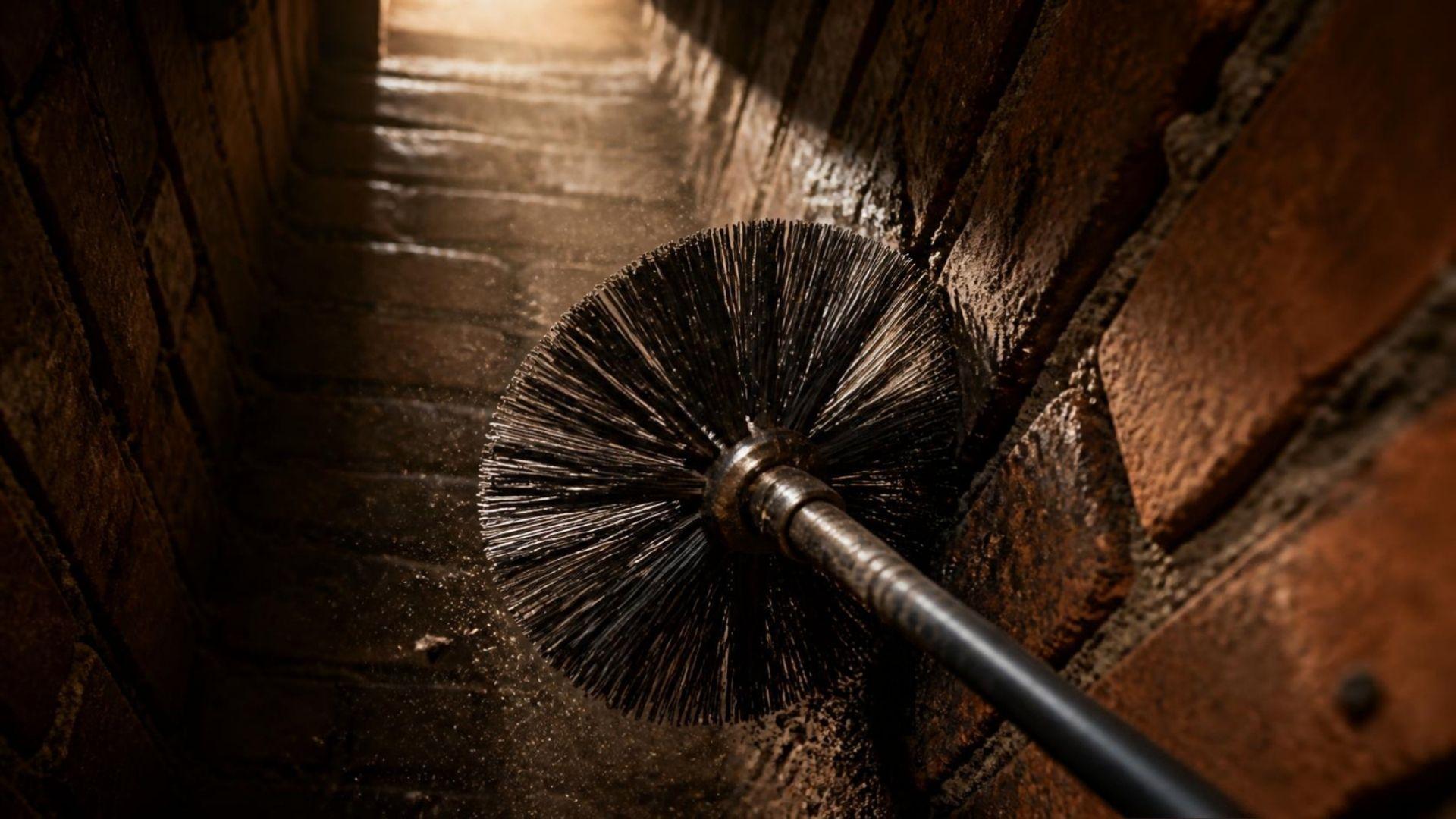
This is an intensive, traditional mechanical process focused directly on the interior walls of the flue liner. A technician uses specialized poly or wire brushes, flexible extension rods, and rotary power-sweeping tools to scrub away soot and flammable creosote. Sweeping is a targeted service designed for structural fire prevention and flue clearance.
Chimney Cleaning
This is a broader, multi-component service that encompasses sweeping the flue while adding surface-level hygiene tasks. A full cleaning includes clearing cold ash from the firebox, scrubbing the refractory bricks, polishing glass doors, vacuuming the smoke shelf, and clearing debris from the hearth.
The Technical Difference
Sweeping focuses primarily on fire safety, creosote removal, and draft performance, whereas cleaning covers overall system hygiene, aesthetic appearance, and indoor air quality.
Chimney Inspections vs. Maintenance
A common misconception is that a sweep automatically fixes or diagnoses every structural defect. In professional practice, diagnostic checks and physical maintenance are distinct steps.
An inspection is a diagnostic checkup designed to uncover hidden masonry cracks, liner fractures, deteriorating brickwork, or wildlife blockages. Sweeping and cleaning represent the physical treatment that removes built-up deposits.
The Three Inspection Levels
Professional technicians adhere to the three-tier evaluation system defined by National Fire Protection Association (NFPA) standards:
- Level 1 Inspection: A routine visual check of all readily accessible interior and exterior components. It is ideal for well-maintained systems that have operated normally over the past year.
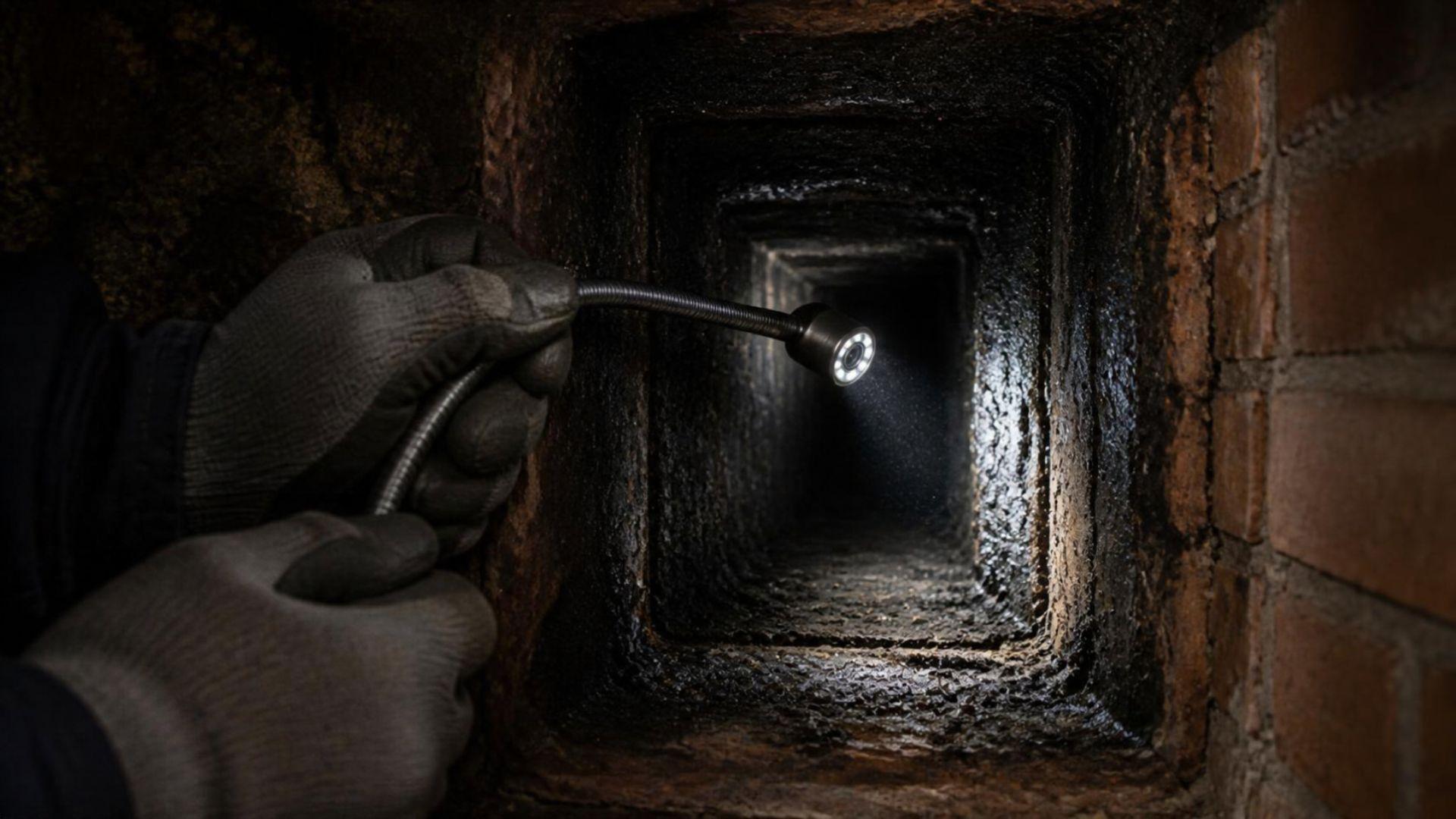
- Level 2 Inspection: A comprehensive evaluation that includes inspecting attics, basements, and crawlspaces, alongside an internal video camera scan of the entire flue liner. This level is required during real estate property transfers, after a chimney fire, or when changing fuel types (such as converting from wood to gas).
- Level 3 Inspection: An invasive evaluation reserved for hidden, serious structural defects. It involves removing sections of building materials or masonry, such as drywall or brickwork, to access concealed hazards.
A thorough inspection should always precede or accompany a sweep. Sweeping a structurally compromised flue can cause loose masonry to collapse or push loose creosote into hidden wall gaps.
Chimney vs. Flue (Fireplace vs. Utility)
To understand how your heating system vents, you must differentiate the outer masonry structure from the inner exhaust channel.
The Structural Difference
The chimney is the exterior brick, stone, or metal structure visible on the outside of your home. The flue is the inner pipe, tile channel, or metal liner where toxic smoke and combustion gases travel out of the house. A single exterior chimney stack often contains multiple independent flues.
Fireplace Flues vs. Utility Flues
- Fireplace Flues vent wood combustion gases, accumulating unburned resins, soot, and dangerous creosote.
- Utility Flues vent heating oil or natural gas appliances, such as boilers, furnaces, and water heaters. While they do not build up wood creosote, they collect acidic scale, mineral debris, and crumbling mortar that can cause complete blockages.
Blocked or deteriorating utility flues are a primary cause of carbon monoxide buildup in residential homes. When oil or gas exhaust cannot exit through the flue, odorless carbon monoxide backs up directly into your living spaces.
Safety Hazards and Signs You Need Service
Wood smoke condenses on cool flue walls to form creosote, which progresses through three dangerous stages:
- Stage 1 (Soot and Flakes): Loose, powdery carbon deposits that are easily removed using standard sweeping brushes.
- Stage 2 (Tar-Like Glaze): Crunchy, sticky, or oily deposits that adhere firmly to flue tiles, requiring stiff brushes and specialized rotary tools.
- Stage 3 (Hardened Glaze): A shiny, rock-hard tar buildup that clings to the flue liner. Stage 3 creosote cannot be removed with standard sweeping gear; it requires specialized chemical treatments like Poultice Creosote Remover (PCR) to break down the glaze safely.
Key Cues and Blockage Warnings
Schedule an appointment if you notice strong campfire or acrid tar odors coming from the hearth during humid weather, black soot flakes falling into the firebox, or smoke backing up into your room during fires. Unprotected flue tops also attract wildlife looking for shelter. Birds like Chimney Swifts, raccoons, and squirrels build stick nests inside flues, which restrict airflow and force dangerous fumes back inside.
Complementary Maintenance
Sweeping the interior flue is only one part of total chimney protection. Long-term safety requires maintaining the entire outer structure:
- Chimney Caps and Crowns: A stainless steel or copper chimney cap with wire mesh keeps out rain, leaves, and animals. The concrete crown seals the top masonry layer; if cracked, it must be sealed to stop water from leaking down into your home.
- Masonry and Relining: If an inspection reveals cracked terra-cotta tiles or crumbling mortar joints, sweeping alone is not enough. Installing a new stainless steel flue liner restores proper venting, contains heat, and prevents gas leaks.
- Waterproofing: In our climate, water absorbs into porous brick and mortar joints. Freeze-thaw cycles cause trapped water to expand, cracking bricks and destroying masonry. Applying a professional, breathable 100% vapor-permeable water repellent protects the structure for years to come.
Schedule Your Service with Mr. Chimney
Whether you need an annual safety check, a full creosote sweep, or utility flue cleaning, working with experienced professionals protects your home and family. Since 1969, Mr. Chimney has provided certified, family-owned inspection, sweeping, and masonry repair services across Westchester County, Putnam County, Ulster County, and Fairfield County, CT.
Call 1-800-834-3155 today or send us a message to schedule your chimney sweeping or cleaning service.
Frequently Asked Questions (FAQs)
Is chimney sweeping the same as chimney cleaning?
No. Chimney sweeping is an intensive mechanical process focused on scrubbing soot and flammable creosote off the interior walls of the flue liner. Chimney cleaning is a broader term that encompasses sweeping plus surface hygiene, such as clearing ash from the firebox, scrubbing hearth brick, polishing glass doors, and vacuuming the smoke shelf.
How do I know if my chimney needs sweeping or a full inspection?
According to NFPA 211 standards, you should have your chimney inspected annually. If the inspection reveals soot or creosote buildup reaching 1/8 of an inch thick or greater, a sweep is required immediately. If you are buying a home or switching fuel types, a Level 2 video inspection is recommended.
Do furnace and boiler utility flues need to be swept?
Yes. Even though oil and gas utility flues do not produce wood creosote, they collect acidic scale, mineral deposits, and crumbling mortar tiles. If a utility flue becomes blocked, dangerous and odorless carbon monoxide gas can spill back into your home.
How much does a professional chimney sweep cost?
In our regional area, a standard Level 1 inspection ranges from $80 to $300, routine fireplace cleaning ranges from $100 to $250, and a full mechanical chimney sweep ranges from $150 to $350 depending on height, access, and creosote severity.
Can I sweep my chimney myself with a DIY kit?
While a DIY brush kit can brush away light Stage 1 powdery soot, it cannot remove sticky Stage 2 or hardened Stage 3 creosote glaze. Furthermore, DIY methods lack commercial HEPA vacuums to capture harmful soot dust and cannot replace a certified technician's diagnostic evaluation for hidden flue fractures.
Ready to schedule your chimney service? Call 1-800-834-3155 or contact us today.