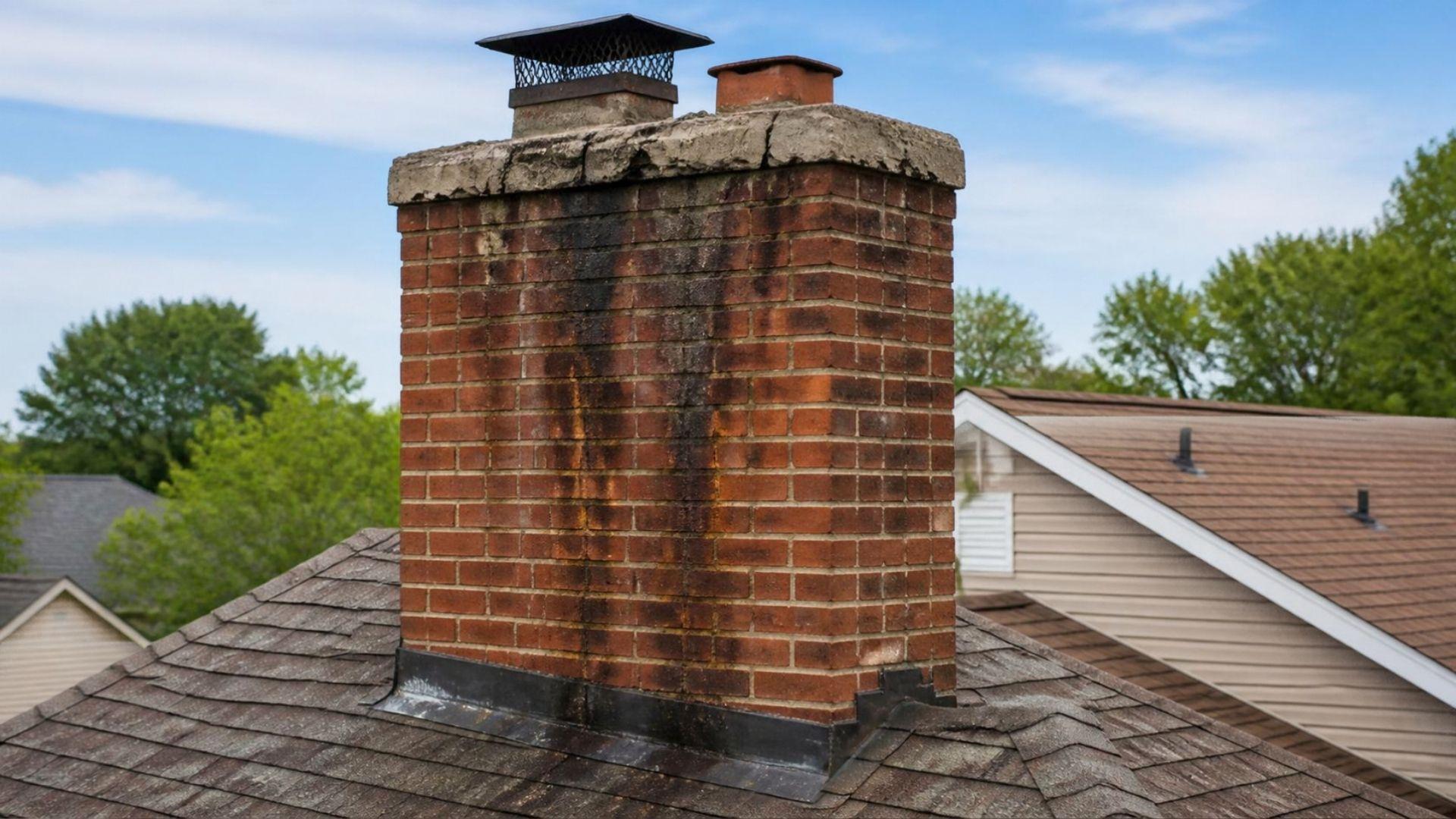
When is the Best Time to Perform Chimney Repairs?
As chilly seasonal weather winds down across the region, local homeowners often stop thinking about their fireplaces once the warm weather arrives. However, if you want to protect your home, keep your family safe, and save money, the spring and summer months are precisely when you should evaluate your hearth system.
Our regional climate presents unique challenges for exterior masonry. Below is a comprehensive look at why the off-season is the absolute best time to schedule chimney repairs, the science behind masonry deterioration, and the vital structural considerations every homeowner should know.
The Case for Spring and Summer Repairs
When planning home maintenance, timing is everything. Scheduling your chimney repairs during the spring and summer offers several distinct advantages:
Optimal Curing Conditions
Masonry materials, specifically mortar, concrete mixes, and water-repellent sealants, require warm, dry weather to set properly. Ideally, ambient temperatures should remain consistently between 50 degrees Fahrenheit and 80 degrees Fahrenheit during application and curing. Cold or freezing conditions compromise the chemical bonding process, leading to premature mortar failure.
Off-Season Scheduling
Spring and summer are traditionally the quiet months in our industry. By booking during the off-season, you beat the inevitable fall rush that occurs when the first cold snap hits, avoiding long contractor waitlists and scheduling backlogs.
Proactive Prevention
Routine post-winter inspections allow us to identify minor wear and tear immediately. Fixing minor cracks or joint decay right away stops problems from escalating into expensive structural failures or severe water leaks during the next winter.
Removing Summer Odors
Creosote and soot sitting in a damp flue during hot, humid summer days react with moisture to produce foul, stale campfire or musty odors that back-puff into your living space. A spring repair and sweeping visit eliminates this buildup before summer humidity sets in.
The Science of Chimney Damage
Understanding how regional weather affects your chimney helps illustrate why timely repairs are so critical.
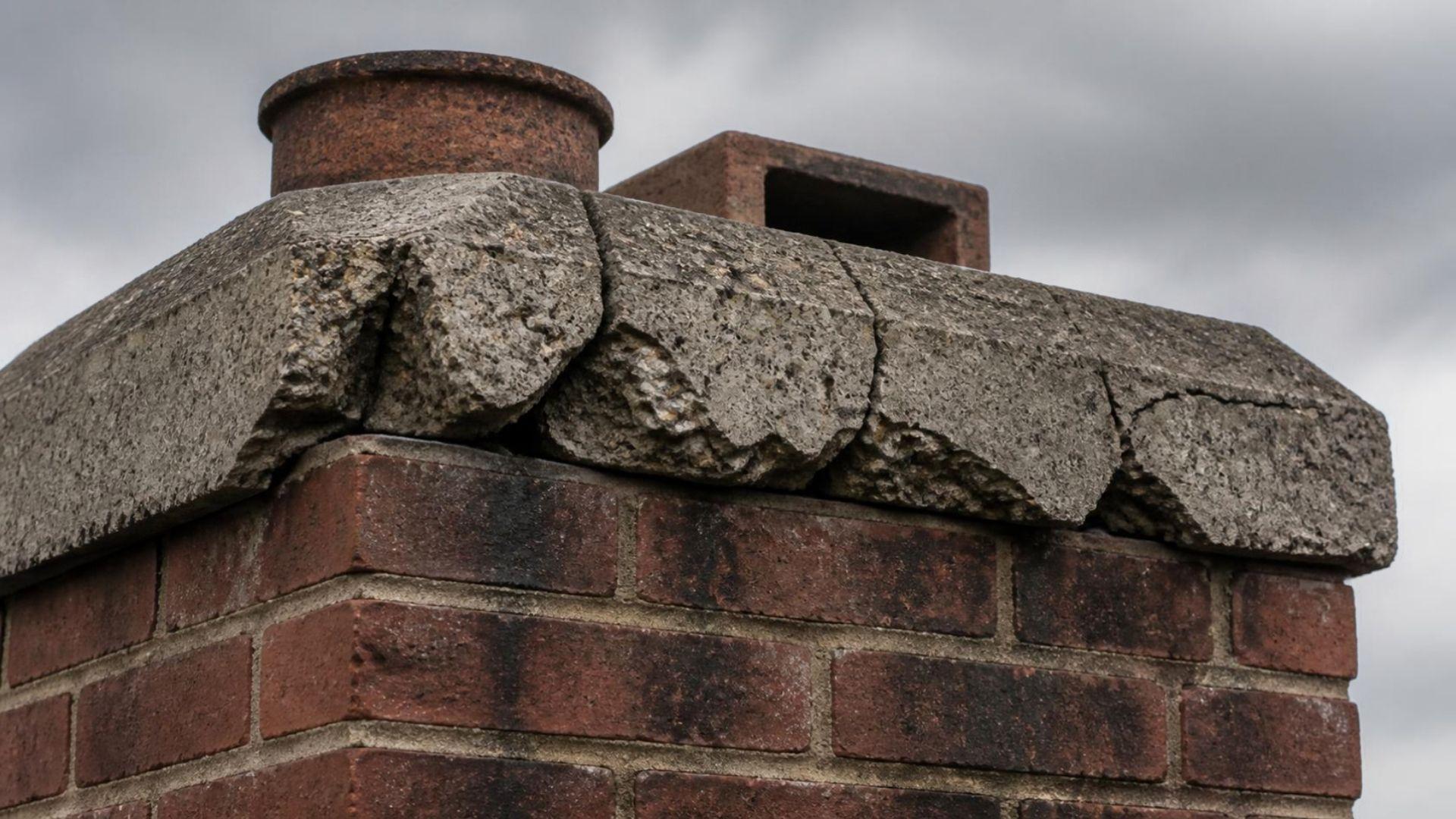
- The Freeze-Thaw Cycle: Bricks and mortar are inherently porous materials that absorb moisture. Throughout local winters, ambient water enters these microscopic pores, freezes when temperatures drop, and expands. As it freezes and thaws repeatedly, this expansion forces small gaps open, causing the outer face of the brick to crack, crumble, and pop off, a destructive process known as spalling.
- Moisture Intrusion: Beyond winter ice, heavy summer rains can penetrate unprotected, unsealed masonry. This persistent moisture leads to mold and mildew growth inside the home while accelerating the chemical deterioration of the firebox and flue liner.
- Efflorescence Warnings: If you notice a chalky, white, powdery coating on the exterior of your chimney bricks, your masonry is experiencing efflorescence. This occurs when water penetrates the brickwork, dissolves internal soluble salts, and evaporates out, leaving salt deposits on the surface. Efflorescence is a primary warning sign of deep-seated moisture intrusion.
Common Masonry Repair Techniques
Restoring a chimney requires specialized techniques depending on the severity of the wear:
Tuckpointing vs. Repointing
Tuckpointing is a cosmetic and preventative process where worn mortar joints are carefully scraped out and filled with fresh mortar, often using contrasting colors to create the crisp illusion of fine stonework. Repointing is a broader masonry restoration procedure focused on structural stability, where crumbling, decayed mortar is deeply removed and replaced with new, color-matched mortar to restore full load-bearing strength.
Chimney Rebuilding
When moisture damage is too severe, or if the chimney is leaning or structurally compromised, tuckpointing will not suffice. Technicians must perform a partial rebuild from the roofline up or a total chimney rebuild down to the foundation to prevent a complete structural collapse.
Crown and Cap Maintenance
The top of the chimney features a concrete crown designed to shed water, alongside a stainless steel or copper chimney cap with wire mesh. Repairing cracked crowns or replacing damaged caps is essential to block rain, autumn leaves, and invasive pests like birds, squirrels, and raccoons from entering the flue.
Waterproof Sealants
Once masonry repairs are complete, applying a professional-grade, 100% vapor-permeable breathable waterproof sealant during dry summer weather protects the brickwork against future water penetration while allowing internal moisture vapor to escape.
Structural and Foundation Considerations
A chimney is often the heaviest single component of a residential home, making its supporting structure vital to safety.
Foundation Settlement: Over time, shifting soil, poor drainage, or foundation settlement can cause the massive concrete footing beneath a chimney to sink or tilt. This leads to vertical cracks along masonry joints, dangerous structural gaps, or a chimney that visibly leans away from the house.
Stabilization Methods: Before attempting cosmetic or masonry repairs on a leaning chimney, the underlying foundation must be addressed. Professionals utilize structural stabilization methods, such as driving steel underpinning or helical piers deep into stable soil layers, to lift and permanently stabilize the chimney before rebuilding the brickwork.
Financial and Safety Benefits
Taking care of repairs in the spring or summer pays clear dividends for your household budget and peace of mind:
- Off-Season Pricing vs. Peak Emergency Rates: Emergency winter repairs are routinely more expensive due to hazardous icy roof conditions, short daylight hours, and the complex procedures needed to cure materials in sub-freezing temperatures. Booking in spring or summer ensures standard, competitive pricing and flexible contractor availability.
- Improved Energy Efficiency: A fully restored chimney featuring an intact flue liner, an operational damper, and sealed masonry prevents warm indoor air from leaking out during the winter, lowering your heating utility bills.
- Home Value and Insurance Standing: Maintaining clear, documented records of annual inspections and professional repairs keeps your homeowners insurance policy in good standing, as many claims require proof of routine upkeep. Furthermore, a well-maintained, certified chimney system significantly increases home marketability and buyer confidence when selling your property.
Schedule Your Off-Season Repair with Mr. Chimney
Don't wait for the first winter freeze to discover a damaged flue or leaky crown. By taking advantage of the warm, dry spring and summer months, you ensure your masonry cures properly, save money, and guarantee that your hearth is safe, efficient, and ready to enjoy the moment cold weather arrives.
Since 1969, Mr. Chimney has provided certified, thorough masonry repair, sweeping, and restoration services across Westchester County, Putnam County, Ulster County, and Fairfield County, CT.
Call 1-800-834-3155 today or submit a request here to schedule your chimney repair evaluation.
Frequently Asked Questions (FAQs)
Why should I repair my chimney in the summer if I only use it in winter?
Spring and summer offer ideal curing temperatures between 50 and 80 degrees Fahrenheit for mortar and sealants. Additionally, booking off-season helps you avoid long autumn waitlists, emergency winter pricing, and lingering summer campfire odors caused by damp creosote buildup.
What is the difference between tuckpointing and repointing?
Tuckpointing is a preventative and cosmetic process where shallow, worn mortar joints are scraped out and filled with fresh mortar, often using contrasting colors to create fine lines. Repointing is a structural restoration process where crumbling, deeply decayed mortar is removed and replaced with new load-bearing mortar to restore the strength of the brickwork.
What causes white salt stains on exterior chimney bricks?
White, powdery stains on your brickwork are known as efflorescence. They occur when water penetrates porous masonry, dissolves internal soluble salts, and evaporates out, leaving salt residue on the surface. It is an early warning sign of deep moisture intrusion.
Can a leaning chimney be repaired without rebuilding it?
If a chimney is leaning due to foundation settlement, the underlying foundation must be stabilized first using structural steel underpinning or helical piers. Once the foundation is permanently stabilized, masons can repair or rebuild the brickwork safely.
Can masonry repairs be done during freezing winter weather?
While emergency winter repairs can be performed using specialized heated enclosures and quick-setting additives, standard masonry materials cure best in warm, dry weather. Cold or freezing temperatures compromise mortar bonding, increasing the risk of premature failure.
Ready to schedule your chimney service? Call 1-800-834-3155 or contact us today.