Why is It Important to Get My Chimney Inspected Annually?
As chilly seasonal weather approaches across Connecticut and New York, local homeowners start getting their fireplaces, wood stoves, and heating systems ready for winter. Because a chimney operates quietly out of view, it is easy to assume everything is functioning properly as long as a fire lights.
However, your chimney is a complex venting system exposed to intense heat, chemical byproducts, and severe seasonal weather. Skipping an annual checkup can lead to hidden structural damage, severe safety hazards, and expensive emergency repairs down the road.
Here is why yearly evaluations are essential for protecting your home, preserving indoor air quality, and keeping your heating system running safely season after season.
Annual Chimney Inspections Help Prevent Fires and Mitigate Hazards
The primary objective of an annual chimney checkup is ensuring your home remains safe from destructive fire hazards. Every time you burn wood, combustion byproducts travel up the flue, leaving behind soot and creosote.
Creosote Accumulation and Ignition
Creosote is a highly flammable, toxic byproduct of burning wood that coats the interior walls of your flue. It begins as a powdery soot, turns into a sticky tar, and eventually hardens into a dense glaze. Under intense flue temperatures, accumulated creosote can ignite inside the chimney, creating a dangerous fire that can rapidly spread to surrounding framing.
Key Safety Risks to Keep in Mind
Chimney Fire Statistics: According to industry data from the Chimney Safety Institute of America (CSIA) and National Fire Protection Association (NFPA), approximately 20,000 to 25,000 chimney fires occur annually in the United States. The vast majority are fueled by unaddressed creosote and neglected flues.
Pyrolysis Hazard: When a chimney flue is damaged or unlined, adjacent structural wood framing is subjected to continuous high temperatures. This causes pyrolysis, a chemical process that breaks down combustible materials like wooden house studs and ceiling joists. Pyrolysis significantly lowers the ignition temperature of surrounding wood, making it burst into flames far more easily.
Secondary Fire Risks: A cracked ceramic flue liner, missing mortar joints, or damaged exterior masonry allows intense heat and flames to escape the chimney stack, quickly reaching roof rafters, attics, or interior walls.
Neglected Chimneys Can Lead to Health Risks
Beyond fire hazards, a neglected chimney directly impacts the air quality inside your living space.
- Carbon Monoxide Exposure: Carbon Monoxide (CO) is an odorless, colorless, and tasteless gas produced by fuel-burning appliances. When a flue is clear, CO vents safely outdoors. However, if the flue is obstructed or the draft fails, carbon monoxide backs up into the home, posing a severe health risk.
- Blockages and Backdrafting: Unprotected flues attract local wildlife seeking shelter. Birds like Chimney Swifts, raccoons, and squirrels frequently build stick nests inside flues. Combined with autumn leaves and twigs, these blockages starve the firebox of oxygen and cause backdrafting, forcing toxic smoke and fumes into your rooms.
- Respiratory Concerns: Soot accumulation, combined with mold and mildew growth caused by water leaks, introduces fine particulates and biological spores into your indoor air. This leads to persistent campfire odors, sinus irritation, and respiratory discomfort.
Moisture Damage Impacts Structural Integrity
Water is one of the most destructive forces facing a masonry chimney, particularly in our regional climate.
Masonry Deterioration and Freeze-Thaw Cycles
Because brick and mortar are porous materials, water seeps into microscopic gaps during rain, snow, and humid weather. During winter, this trapped moisture undergoes a freeze-thaw cycle. As the water freezes, it expands, cracking the masonry from within. Over time, this causes brick spalling, where the outer faces of the bricks pop off and crumble, eventually threatening structural stability.
Flue Liner Damage and Protective Components
The internal flue liner, whether ceramic tile, clay, or stainless steel, contains heat and guides combustion exhaust out of the home. Thermal shock or moisture intrusion can cause cracks, missing mortar joints, or gaps in the liner, compromising the entire venting system.
During a professional checkup, technicians evaluate key exterior protective components:
- Chimney Cap: Keeps out rain, snow, debris, and wildlife.
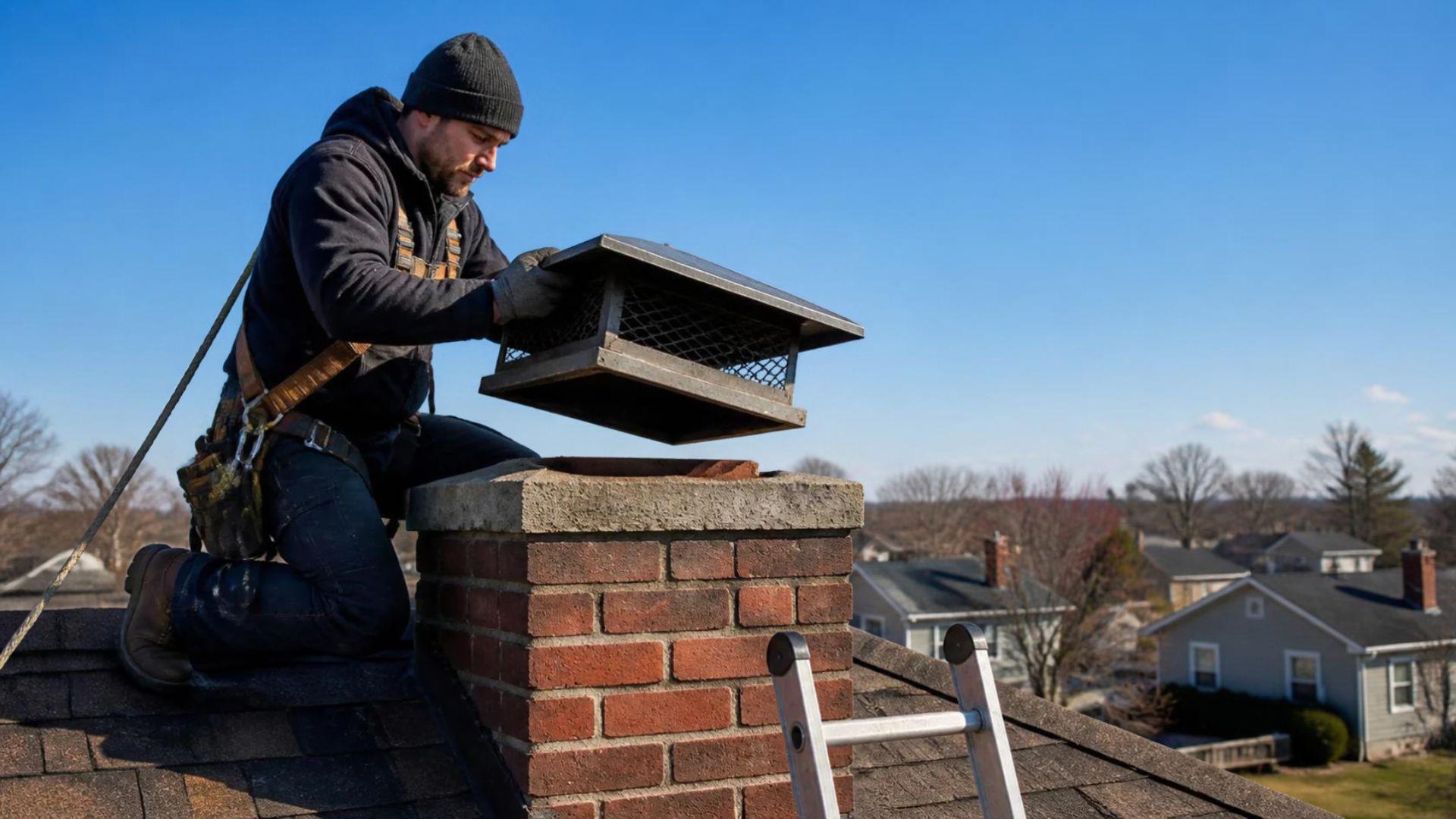
- Chimney Crown: The concrete pad at the top of the stack designed to shed water away from the flue and exterior bricks.
- Flashing: The watertight metal seal located where the chimney meets the roofline, preventing leaks into attics and ceilings.
The Financial Benefits and Return on Investment of Annual Inspections
Investing in an annual inspection delivers a significant financial return by keeping routine maintenance costs manageable.
- Preventive vs. Reactive Repair: Catching a small crack in a flue liner or minor mortar deterioration early allows for simple, cost-effective spot repairs. Neglecting these warnings leads to major structural damage requiring expensive masonry rebuilding or complete chimney replacement.
- Energy Efficiency: A clean, well-maintained chimney ensures a proper draft. This optimizes combustion, helps your fireplace or heating system burn fuel more efficiently, minimizes draftiness, and lowers heating costs.
- Insurance and Liability: Many homeowner's insurance policies require proof of regular, documented chimney maintenance to honor claims related to chimney fires or property damage. Skipping annual checkups can leave you financially vulnerable if an incident occurs.
- Real Estate Value: Whether you are buying or selling a property, up-to-date inspection records prove that the fireplace and heating systems are safe, fully functional, and compliant with local building codes.
When to Schedule and What to Expect
Understanding when and how to book an inspection ensures a seamless experience.
Seasonal Scheduling
While inspections can be performed year-round, the ideal time to book is during the spring or summer. Scheduling off-peak allows you to beat the autumn rush, secure contractor availability, and complete any required repairs before the first winter cold snap hits.
What to Expect
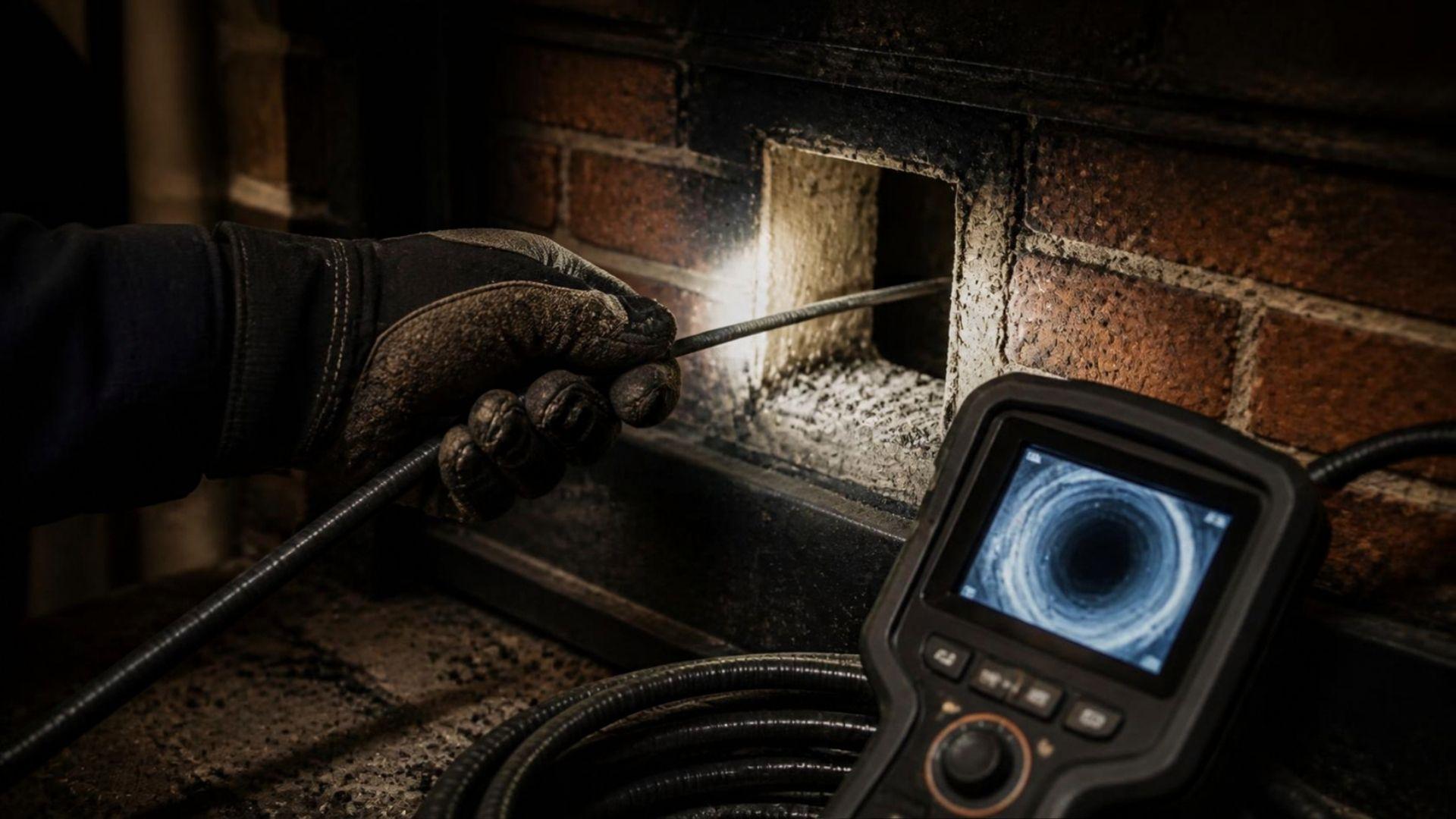
A professional inspection is a methodical evaluation. Technicians inspect the firebox, hearth, damper assembly, crown, flashing, and exterior masonry. They deploy specialized equipment, including high-powered flashlights and flexible, high-definition internal video cameras, to scan the length of the internal flue lining for hidden cracks, gaps, or creosote deposits.
Professional Certification
Always ensure your inspection is conducted by certified professionals. Look for technicians holding credentials from the Chimney Safety Institute of America (CSIA) or companies operating strictly under National Fire Protection Association (NFPA) Standard 211 codes. Certified sweeps possess the precise diagnostic training required to keep your heating system and home completely safe.
Schedule Your Annual Inspection with Mr. Chimney
Annual chimney inspections are an essential part of responsible home care. By scheduling a yearly checkup, you mitigate fire hazards, protect your family from toxic gases, preserve your home's structural masonry, and save money on long-term repairs.
Since 1969, Mr. Chimney has provided certified, comprehensive inspection, sweeping, and repair services for homeowners across Westchester County, Putnam County, Ulster County, and Fairfield County, CT.
Call 1-800-834-3155 today or make a request here to schedule your annual chimney inspection.
Frequently Asked Questions (FAQs)
Why do I need a chimney inspection if I rarely use my fireplace?
Even unused or rarely used chimneys are vulnerable to weather exposure, freeze-thaw masonry cracking, animal nesting, and moisture leaks. An annual inspection verifies that the flue remains clear and structural components like crowns and flashing are intact.
What is the difference between a Level 1 and Level 2 chimney inspection?
A Level 1 inspection is a visual check of all readily accessible interior and exterior parts for unchanged systems. A Level 2 inspection includes everything in Level 1 plus a video camera scan of the entire internal flue liner, which is recommended during home sales, after weather events, or when changing heating equipment.
When is the best time of year to schedule a chimney inspection?
Spring and summer are the best times to book an inspection. Scheduling early allows you to avoid the busy autumn rush, secure convenient appointment times, and complete any recommended repairs long before the cold weather starts.
Can a damaged chimney liner cause a house fire?
Yes. Cracks or gaps in a clay or ceramic flue liner allow intense heat and direct flames to escape into combustible wall studs and attic spaces, significantly increasing the risk of a house fire.
Does homeowners insurance cover chimney damage?
Insurance policies typically cover chimney damage caused by sudden, unexpected events like lightning strikes, severe storms, or documented chimney fires. However, damage resulting from gradual neglect or lack of annual maintenance is usually excluded, making yearly inspections important for policy compliance.
Ready to schedule your chimney service? Call 1-800-834-3155 or contact us today.